Ask most buyers under contract on a Lexington home what could still derail their closing, and they will list the usual suspects: financing falling through, a bad appraisal, a cracked foundation nobody saw at the walkthrough. Almost nobody names the one document that actually stalls the most closings in South Carolina for a reason that has nothing to do with the house itself. It expires.
The CL-100, South Carolina's official Wood Infestation Report, is required on nearly every home sale in the state and it is valid for exactly 30 days before closing. Not 30 days from the day it was ordered. Thirty days before the day you actually sign. Contracts slip constantly, an appraisal comes in low, a repair negotiation eats two weeks, a lender needs one more document. When that happens, the report everyone thought was already handled quietly turns into a second bill and a second appointment, usually with only days to spare before the table date.
What The CL-100 Actually Checks
The name suggests a termite hunt. The report does more than that. A licensed inspector documents visible evidence of active or previous termite activity, other wood-destroying insects like powderpost beetles, wood decay fungi, elevated moisture readings in structural wood, plumbing leaks actively wetting the substructure, and earth-to-wood contact where siding or framing touches the ground directly. The report also has to note if large sections of the substructure were inaccessible for inspection, which matters in older homes with tight crawl spaces or additions built over the original foundation.
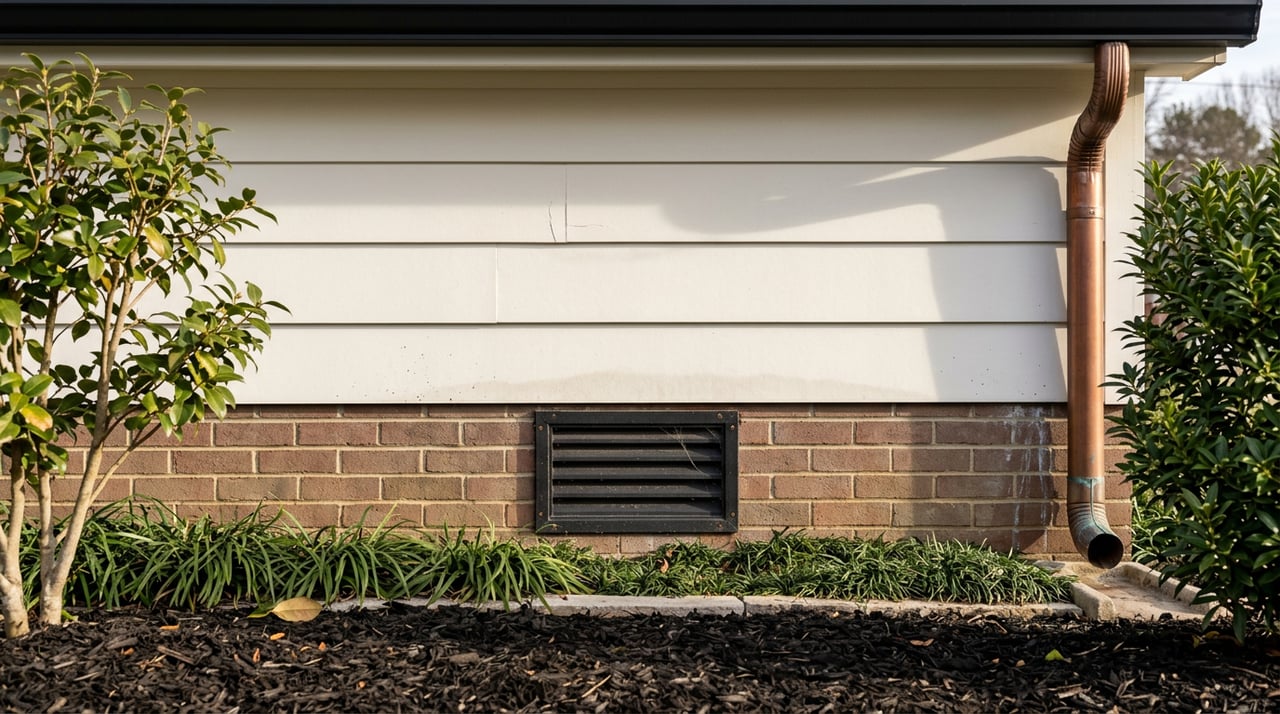
That range of coverage is not a coincidence. It reflects how South Carolina homes are actually built. Much of the housing stock in Lexington and across the Midlands sits on crawl spaces rather than slabs, and crawl spaces trap the exact moisture and wood contact conditions that show up on a CL-100. Add in a climate where winters rarely get cold enough to force termites into full dormancy, and you get a report that is doing real diagnostic work, not just checking a box for the lender.
| What the CL-100 documents | What it does not certify |
|---|---|
| Active or past termite and wood-destroying insect activity | Future infestation risk |
| Wood decay fungi and elevated moisture readings | HVAC, plumbing, or electrical condition |
| Earth-to-wood contact and inaccessible areas | Structural engineering assessment |
The report is issued by a technician licensed and monitored under Clemson University's Department of Pesticide Regulation, which is the state body responsible for overseeing pest control operations in South Carolina. That oversight is part of why lenders lean on it so heavily. FHA, VA, and conventional loans generally will not fund without a clear CL-100 on file, which is why the standard South Carolina purchase contract makes the sale contingent on a satisfactory report in the first place.
Who Pays When The Report Comes Back Dirty
If the inspector finds an active infestation, damage, or a condition like a leaking pipe soaking the subfloor, the lender will not treat the report as clear and the loan process pauses until it is resolved. Under the standard South Carolina contract, responsibility for treating an active infestation typically falls to the seller. Repairs get negotiated the same way any other inspection item would, and the timeline for that negotiation matters more than most people realize, because it is competing with the same 30-day clock that started the moment the original report was dated.
This is where sellers in particular get caught off guard. A seller who assumes the CL-100 is "done" once the report is delivered has not actually finished anything if the closing date moves. The report has to be current as of closing, not current as of the day the inspector walked the property.
The Math That Actually Catches People
Most South Carolina purchase contracts run somewhere in the 30 to 45 day range from acceptance to closing. Picture a typical sequence:
- Offer accepted. Buyer schedules the home inspection and bundles the CL-100 visit into the same appointment, which is common practice since both inspectors are often on site around the same window.
- The CL-100 is dated. From this date, the report is good for 30 days.
- Closing is originally set for a date comfortably inside that window.
- The appraisal comes back lower than the contract price. Buyer and seller spend two weeks renegotiating price and repair credits.
- The new closing date lands after the 30-day mark has passed.
Nobody did anything wrong in that sequence. Appraisal renegotiations are routine. But the CL-100 that everyone treated as finished now has to be redone, at the seller's or buyer's expense depending on how the contract allocates it, days before closing. If anything changed on the property in the interim, a new leak, a storm that knocked debris against the siding, the second report can turn up something the first one never saw, which reopens the treatment conversation at the worst possible moment in the transaction.
The lesson is not that buyers should panic about termites. Most CL-100 reports in Lexington come back clean. The lesson is that the report's expiration date deserves its own line on the closing timeline, tracked the same way financing contingencies and appraisal deadlines are tracked, because it is the one document in the file with a hard, unmovable shelf life independent of everything else happening in the transaction.
Why This Shows Up More In Lexington's Older Neighborhoods
Newer construction in Lexington's growing subdivisions still requires a CL-100 at resale, but the report tends to be simpler. Less accumulated moisture history, fewer additions built over time, more accessible crawl spaces or slab foundations depending on the builder. Move-up buyers looking at established neighborhoods with mature tree canopy and homes built in stages over a few decades are looking at a housing stock where the CL-100 is more likely to flag something, not because the homes are poorly maintained, but because more square footage means more places for moisture and wood contact to develop unnoticed. That is not a reason to avoid an older home. It is a reason to build the report's timeline into the offer from the start rather than treating it as a formality to schedule whenever it is convenient.
A Few Direct Questions
Is a CL-100 the same thing as a termite bond? No. The CL-100 is a one-time report tied to the sale. A termite bond is an ongoing annual service contract with a pest control company, and it is often transferable to a new owner at closing if the current owner has one in place.
Who typically schedules it? Practice varies, but it is common for the seller to have one on hand or for the buyer's inspector to arrange it alongside the general home inspection. Either way, the date on the report is what starts the 30-day clock, so confirming who ordered it and when is worth doing early.
Can the report be waived? Most lenders will not fund without one, so a full waiver is rare on financed purchases. Cash transactions have more flexibility, though skipping the inspection removes information a buyer would otherwise have about moisture and wood condition in the home.
A CL-100 is one of the smaller line items on a closing statement and one of the easiest things to overlook until a delay makes it relevant. Treating its expiration date as seriously as the closing date itself is a small habit that prevents a genuinely avoidable scramble.
If you are weighing a move-up purchase or getting ready to list a home in Lexington and want a closing timeline built around details like this one, reach out to The SC Key Group. And if selling is on the table, Request Your Home Valuation to start the conversation with real numbers instead of guesses.