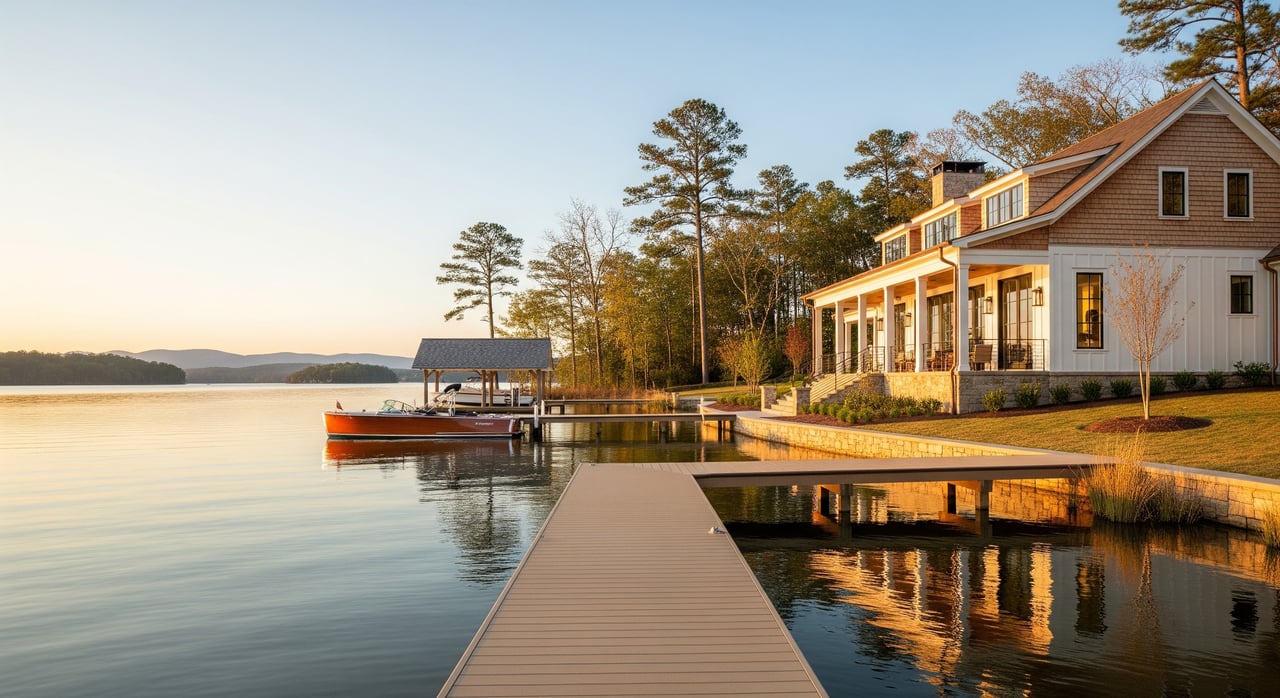
Torn between Lexington and Chapin for Lake Murray living? You are not alone. Both areas offer beautiful water access and vibrant communities, but they feel different day to day. In this guide, you will learn what “lake living” really means, how the two areas compare, the costs and rules to plan for, and the key steps to make a confident choice. Let’s dive in.
Quick take: which fits you
If you want a small-town lake identity and more immediate shoreline options, Chapin often fits. If you prefer wider retail, dining, healthcare, and a broader mix of neighborhoods with some lake-adjacent choices, Lexington often works well.
Use these quick pointers to focus your search:
- Chapin: You will likely find a tighter lake community feel and a strong focus on waterfront and near-lake homes. Drive times to marinas and ramps can be shorter from many neighborhoods.
- Lexington: You will find a larger range of home types and prices. Some neighborhoods are near the lake, while others trade water proximity for convenience to schools, shopping, and commuter routes.
- Either way: Decide early if you need direct waterfront, shared-lake access, or just close proximity to public ramps and parks.
What lake living means
Lake living comes in several forms. Understanding the differences will help you compare Chapin and Lexington on equal terms.
- Direct waterfront: You own shoreline and may have a private dock. This brings a lifestyle premium along with added maintenance for docks and shoreline structures.
- Near-lake or lake-view: You are close to public ramps or marinas. You get easy access without all the waterfront upkeep.
- Lake community with shared amenities: An HOA may manage shared docks, slips, boat launches, and community rules. Dues and policies affect daily life and costs.
- In-town with occasional access: You live in a more traditional neighborhood within a short drive to the lake. This fits buyers who want lake fun without paying for waterfront.
Lake access and recreation
Access shape your weekends as much as the house itself. Chapin has a concentration of waterfront neighborhoods and a strong on-the-water culture. Many residents choose it for direct shoreline living. Lexington offers several lake-adjacent communities and quick drives to ramps, but the town center is more of a civic and commercial hub.
Plan for how you will use the lake:
- Public ramps and marinas: Map the closest options from the neighborhoods you like. Proximity to fuel, storage, and service can save time and money.
- Parks and beaches: Dreher Island State Park is a popular destination for boating, picnicking, camping, and fishing. Consider your typical weekend routine and the drive from each side of the lake.
- Seasonal traffic: Expect higher boat traffic and wakes during summer weekends and holidays. If you buy on the water, visit at different times to gauge noise and activity.
Costs, insurance, and upkeep
Direct waterfront homes often carry higher costs. You should budget for shoreline maintenance and potential insurance needs.
- Price premium: Waterfront is scarce, which usually keeps prices elevated compared to near-lake or in-town homes.
- Flood insurance: Standard homeowners policies typically do not cover flood. Lenders may require flood insurance for certain FEMA flood zones. Get quotes early and review elevation certificates to understand your risk and cost.
- Dock and shoreline upkeep: Plan for inspections and repairs to docks, pilings, seawalls, and bulkheads over time. These items can be costly if deferred.
- Utilities and septic: Some lake-area lots use septic systems. Account for inspections, permits, and long-term maintenance.
Rules, permits, and shoreline work
On Lake Murray, dock installation, repairs, and shoreline changes usually require permits. Rules vary by jurisdiction, so you should verify details before you fall in love with a property.
- Docks and seawalls: Confirm existing permits, ownership, and condition. Ask for records of any past shoreline work.
- Setbacks and zoning: Review county or municipal rules for setbacks, allowable structures, and shoreline modifications.
- Short-term rentals: If you plan to rent the home, check current rules for the neighborhood and local ordinances.
- Septic versus sewer: Septic needs sufficient lot size and regular maintenance. If sewer is available, factor in tap fees and monthly bills.
Lifestyle and amenities
Your day-to-day life may look different in Chapin versus Lexington even if the lake is the same.
- Schools: District boundaries can affect your options. Confirm assignments directly with local school district offices and review current performance data from official sources.
- Healthcare and services: Consider proximity to urgent care and hospitals. Chapin and Lexington have different drive times to larger medical centers.
- Retail and dining: Lexington typically offers more commercial variety and big-box options. Chapin emphasizes a small-town feel and lake-oriented businesses.
- Commute: If you work in Columbia or another employment center, compare drive times from both sides of the lake and from specific neighborhoods.
Market timing and financing
Inventory, seasonality, and lender guidelines all matter on the lake.
- Inventory and seasonality: Waterfront listings can be limited. Many lake homes list in spring and early summer when the water lifestyle shows best.
- Waterfront value drivers: Orientation, water depth, shoreline type, and dock access can all affect pricing and resale. Strong demand often supports values, but appreciation varies by location and market cycles.
- Financing: Some lenders require extra appraisal steps and inspections for waterfront features like docks and bulkheads. Build time into your contract for these items.
- Taxes and utilities: Waterfront can increase assessed value. Review the property’s tax history and verify water, sewer, or well and septic details.
On-site due diligence checklist
Use this checklist as you tour homes in Chapin and Lexington. It will help you compare properties on the same criteria.
On-site checks:
- Confirm the exact water frontage and high-water mark on a current survey.
- Verify any deeded dock rights and walk the dock to check for rot, piling wear, and safety features.
- Assess the slope between the house and shoreline. Look for erosion, stormwater runoff patterns, and maintenance needs.
- Observe neighboring properties for signs of frequent gatherings or heavy boat traffic.
Documents to request:
- Recent survey and deed showing shoreline ownership and any easements.
- HOA covenants, rules, recent meeting minutes, and a map of common areas if applicable.
- Septic permits and the most recent inspection, or confirmation of sewer availability.
- Elevation certificate for flood insurance quoting.
- Records of permits for docks, seawalls, and prior shoreline work.
- Property tax history and current assessed value from the county.
Professional reviews to schedule:
- General home inspection with focus on moisture and ventilation.
- Structural review of shoreline structures by a qualified professional.
- Environmental or water-quality testing if you have concerns.
- Flood elevation review by a licensed surveyor to support insurance quotes.
How to choose with confidence
Turn your priorities into a simple scoring system. List the neighborhoods or homes you are considering and score each on these factors from 1 to 5.
- Access: Direct waterfront, shared dock, or quick drive to ramps and parks.
- Cost: Purchase price, expected insurance, taxes, and dock or shoreline upkeep.
- Maintenance: Age and condition of home and shoreline structures.
- Commute: Your tolerance for drive times to work and daily activities.
- Services: Distance to groceries, healthcare, and regular errands.
- Governance: HOA rules you accept versus autonomy you want.
- Resale: Overall demand for the specific shoreline, orientation, and community.
Common pitfalls to avoid:
- Relying on verbal statements about dock ownership or prior shoreline work. Always verify with documents.
- Skipping a flood-zone check or elevation certificate before you commit.
- Underestimating ongoing costs for docks, bulkheads, and erosion control.
- Ignoring HOA rules about parking, noise, boat types, or rentals.
- Touring only on quiet weekdays. Visit on a summer weekend to gauge traffic and wakes.
When you weigh Chapin against Lexington, it often comes down to your daily rhythm. If your dream is living right on the water in a tight lake community, Chapin may feel like home. If you want a bigger set of neighborhoods, retail, and schools with lake access close by, Lexington can be a great match. The right choice is the one that fits your priorities, budget, and lifestyle.
Ready to see how each option stacks up for you? Reach out for tailored guidance, neighborhood suggestions, and a clear plan to secure the lake lifestyle you want with fewer surprises. Connect with Brian Slinkard at Serhant to get started.
FAQs
Which is better for lake living, Lexington or Chapin?
- It depends on your priorities; Chapin often suits buyers seeking a small-town lake identity and closer shoreline access, while Lexington offers broader amenities and more housing variety with some lake-adjacent neighborhoods.
Do waterfront homes appreciate faster on Lake Murray?
- Waterfront scarcity helps support values, but appreciation varies by location, home condition, lake health, and market cycles, and carrying costs can be higher than near-lake options.
How much does flood insurance cost for a lake home?
- Costs vary by FEMA flood zone, elevation, structure details, and claims history; obtain quotes once you have a specific property and an elevation certificate.
Are docks always included when you buy a waterfront home?
- Not always; confirm dock ownership, permits, and maintenance responsibility in the deed, survey, and closing documents.
How important are HOA rules in lake communities?
- Very important; HOAs can control dock use, boat parking, rentals, and community standards, so review covenants, minutes, and budgets before you commit.
What inspections should I order for a Lake Murray property?
- Schedule a general home inspection, a structural review for docks and shoreline structures, a septic inspection if applicable, and a flood elevation review to support insurance quotes.