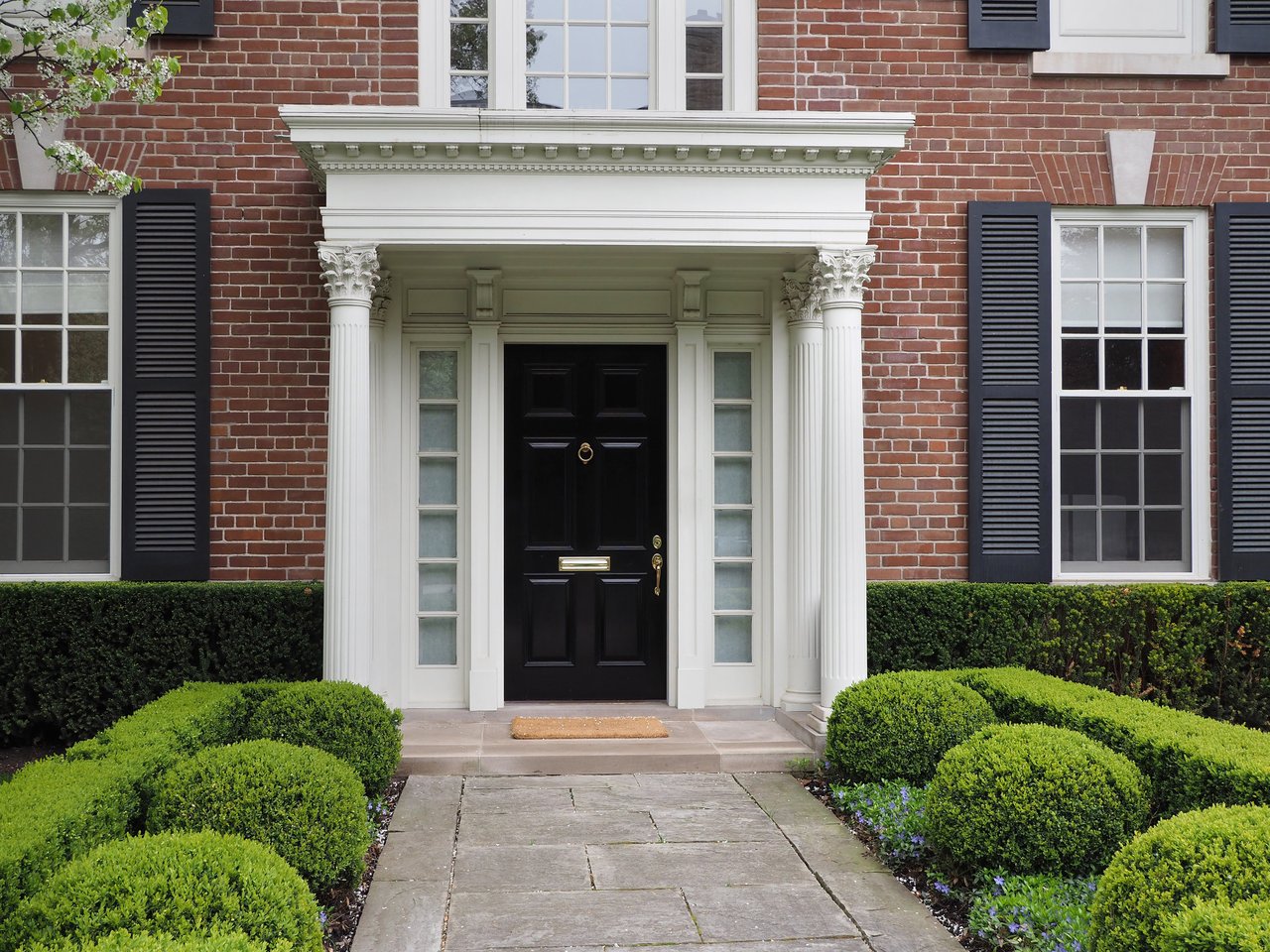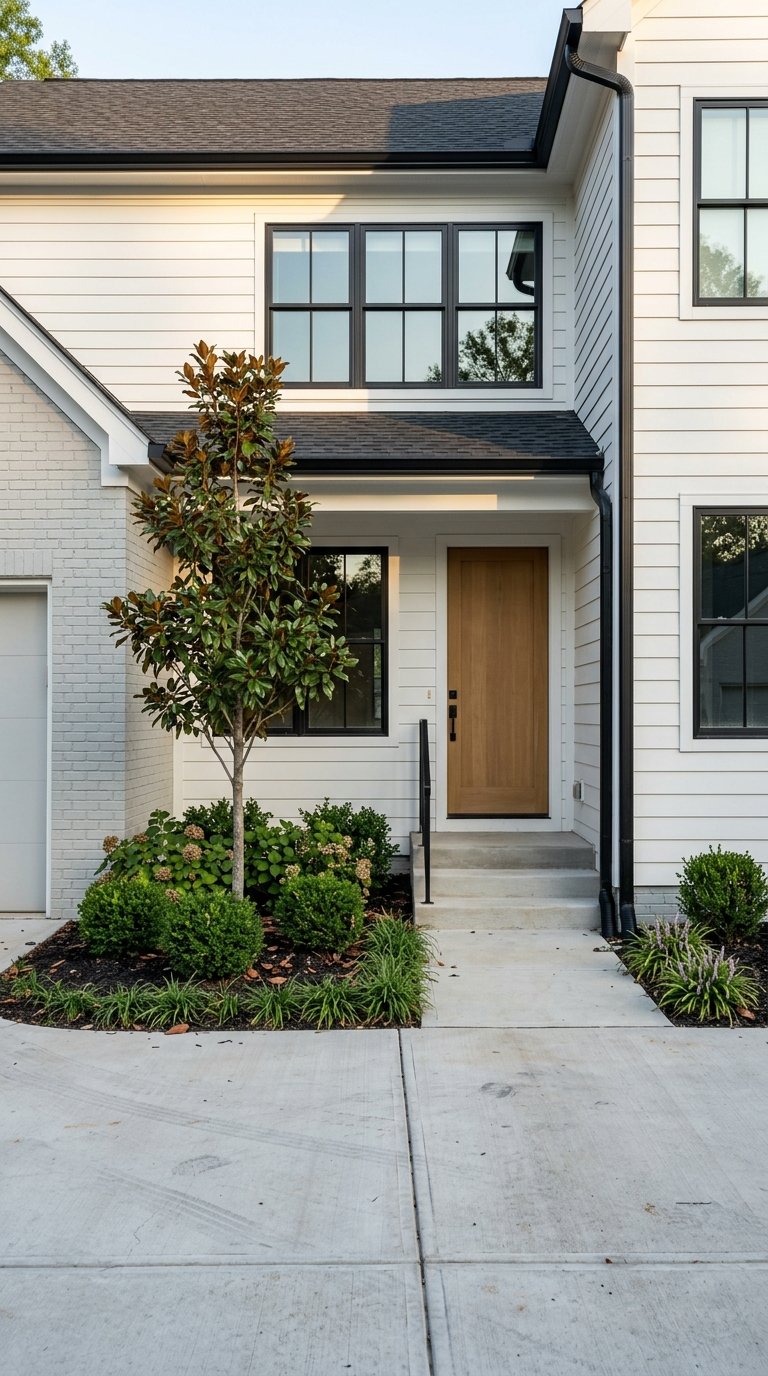
Trying to choose between a condo, townhome, or single-family home near Lake Murray? That decision can shape your monthly budget, maintenance load, and even how you enjoy the water. If you are searching in Chapin’s 29036 area, this guide will help you compare the tradeoffs clearly so you can move forward with more confidence. Let’s dive in.
Lake Murray housing choices in 29036
The 29036 zip code serves the Chapin area, one of the best-known gateways to Lake Murray living. Lake Murray itself spans multiple counties, including Lexington, and offers a major recreation setting with 48,579 acres of surface water, 620 miles of shoreline, 11 boat ramps, and 6 marinas with pumpouts.
That lifestyle appeal is a big reason many buyers focus on this area. It is also helpful to know the market is somewhat competitive, with a median sale price around $486,000 and homes taking about 66 days to sell in the current 29036 snapshot.
What makes condos and townhomes different
Condos and townhomes usually involve some form of shared ownership and shared upkeep. A condo is typically an individual unit within a larger building or community, while a townhome may share common walls with neighbors or, in some cases, be detached within a planned community.
In South Carolina, condo ownership often includes shared responsibility for common elements. That can include land, roofs, halls, stairways, and in some communities even moorages or walkway docks, while limited common elements may include features like finger piers.
That shared structure matters because owners usually pay a monthly HOA or condo fee. Those fees often support administration, maintenance, repairs, insurance, and other common expenses across the community.
What condo and townhome fees may cover
Depending on the community, your monthly dues may help pay for:
- Exterior building maintenance
- Common area upkeep
- Water or sewer
- Trash service
- Recreation amenities
- Insurance for shared areas
- Reserve funds for future repairs
This setup can appeal to buyers who want a lower-maintenance lifestyle. If you want to spend more time enjoying Lake Murray and less time dealing with exterior chores, an attached home may feel like a better fit.
What to review before you buy attached property
The tradeoff is less autonomy. In many condo and townhome communities, governing documents can limit or control things like:
- Exterior changes
- Rental permissions or restrictions
- Pet rules
- Guest policies
- Parking assignments
- Visitor parking
- Gate or access codes
In South Carolina, those rules are typically laid out in recorded governing documents such as declarations, bylaws, and CC&Rs. Before you commit, it is important to read them closely so you understand what you can do with the property and what the association controls.
How insurance works in condos and townhomes
Insurance in an attached community is often more layered than buyers expect. The association may carry a master insurance policy for common areas or shared structures, but that does not replace the coverage you may still need for your own unit and personal property.
If flood risk applies, flood insurance is typically separate as well. It is also important to budget HOA dues as their own line item, since they are usually paid separately from the mortgage and can rise over time.
Why buyers choose single-family homes
Single-family homes usually offer the most control and the least shared ownership. For many Lake Murray buyers, that can mean more privacy, more yard space, and more freedom in how they use and maintain the property.
That extra control comes with more responsibility. As the owner, you are generally the one handling routine upkeep, repair planning, and the variable costs that come with the home.
Common costs to plan for with a house
A single-family home budget should go beyond principal and interest. You should also think through:
- Property taxes
- Homeowners insurance
- Utilities
- Any HOA fees, if the neighborhood has one
- Routine maintenance
- Repairs over time
- Yard and exterior upkeep
A useful maintenance guideline is to set aside about 1% to 4% of the home’s value each year for repairs and upkeep. Tasks may include gutter cleaning, HVAC filter changes, plumbing checks, smoke alarm checks, and exterior maintenance.
Waterfront homes have extra considerations
Near Lake Murray, a single-family home can be especially attractive if you want more direct control over outdoor space or shoreline access. That can be a major lifestyle advantage if boating, fishing, or entertaining by the water is part of your plan.
At the same time, waterfront ownership can involve added steps. On Lake Murray, residential shoreline projects such as docks, boat ramps, retaining walls, and similar improvements require a permit application through Dominion Energy.
That means the decision is not only about the home itself. You also need to consider shoreline rules, future upkeep, and any work you may want to do on the property later.
The condo vs townhome vs house tradeoff
For many buyers, the best choice comes down to how you want to live day to day. The price tag matters, but your comfort with maintenance, shared rules, and long-term costs matters just as much.
Here is a simple way to think about the differences:
| Property type | Often best for | Main benefit | Main tradeoff |
|---|---|---|---|
| Condo | Buyers who want simpler upkeep and community amenities | Lower personal exterior maintenance | More shared ownership and community rules |
| Townhome | Buyers who want a middle ground | Attached living with potentially more privacy or space than a condo | HOA rules still matter, and maintenance duties vary by community |
| Single-family home | Buyers who want the most control | More privacy, yard space, and fewer shared elements | More direct responsibility for repairs, upkeep, and possibly shoreline permits |
A townhome often lands in the middle. It may offer more square footage or privacy than a condo, but it can still come with shared walls, association rules, and fees.
Why total monthly cost matters most
In a somewhat competitive 29036 market, it is easy to focus on list price first. But the smarter comparison is the full carrying cost of each property.
For example, a condo with a lower purchase price may still carry meaningful monthly dues. A single-family home may not have the same dues, but it could bring higher utility bills, more repair exposure, and more exterior maintenance.
When you compare properties, look at all of these together:
- Mortgage payment
- Property taxes
- Insurance structure
- HOA or condo dues
- Expected maintenance costs
- Utility costs
- Any waterfront or dock-related obligations
That side-by-side view often makes the right choice much clearer.
Questions to ask before making an offer
South Carolina requires sellers to provide a residential property disclosure statement before contract in most residential sales. If the property is subject to an HOA, condo association, horizontal property regime, or similar covenants, an addendum must also be provided.
That addendum can help you spot practical issues that affect daily life and long-term cost. It asks about charges, special assessments, rental restrictions, guest and animal restrictions, assigned parking, access codes, transfer fees, and common-area problems.
If you are considering a condo or townhome, it is also wise to review the association’s financial statements. Pay close attention to reserve funding, what is included in the fee, whether there is assigned parking, what modifications are allowed, and what the master insurance policy covers.
How to decide what fits your lifestyle
If your top priority is convenience, shared amenities, and less exterior work, a condo may be the easiest fit. If you want attached living with a bit more separation or space, a townhome may offer a strong middle-ground option.
If you want the most privacy, the most control, and potentially more room to spread out, a single-family home may be the better long-term choice. That is especially true if yard space, shoreline access, or future property improvements matter to you.
The right answer is rarely one-size-fits-all. It depends on how you want to spend your time, what monthly costs feel comfortable, and how much control you want over the property.
Choosing around Lake Murray is about more than square footage. You are also choosing a lifestyle, a maintenance model, and a level of flexibility. If you want local guidance on comparing lake-area condos, townhomes, and single-family homes in Chapin and the greater Lake Murray market, connect with Brian Slinkard at Serhant.
FAQs
What is the main difference between a Lake Murray condo and a single-family home?
- A condo usually involves shared ownership of common elements and monthly association dues, while a single-family home usually gives you more control but more direct responsibility for maintenance and repairs.
What should buyers in Chapin 29036 review before buying a condo or townhome?
- You should review the HOA or condo documents, monthly fees, reserve funding, possible special assessments, parking details, insurance structure, and any rules on rentals, pets, guests, or exterior changes.
Do single-family homes near Lake Murray ever have HOA rules?
- Yes. Some single-family neighborhoods also have HOAs, so you should not assume a house automatically means no community rules or fees.
What extra responsibilities come with a waterfront home on Lake Murray?
- Waterfront ownership may involve added upkeep and permitting, since shoreline projects such as docks, boat ramps, and retaining walls require a permit application through Dominion Energy.
Why should Lake Murray buyers compare total monthly housing cost instead of list price alone?
- A lower list price does not always mean a lower cost of ownership because HOA dues, insurance, maintenance, utilities, and waterfront obligations can change the true monthly expense.