Planning a private dock or thinking about an Airbnb at your Lake Murray home? In 29036, HOA and community rules shape what you can do on and off the water. If you know where to look and what to ask, you can protect your plans and your budget. This guide breaks down how HOAs work around Lake Murray, what rules commonly apply, and the steps to take before you buy or start a project. Let’s dive in.
How HOAs work around Lake Murray
Most lake neighborhoods near Lexington and around Lake Murray are governed by recorded Covenants, Conditions and Restrictions, plus bylaws. These documents give the HOA power to collect assessments, adopt rules, and require architectural review for exterior changes. Associations can levy fines, place liens for unpaid assessments, and suspend certain privileges.
HOA rules sit beside county, state, and federal requirements. They do not override government permits or environmental laws. For lakefront work, you often deal with Lexington County permitting, South Carolina DHEC, the U.S. Army Corps of Engineers, and the reservoir owner or operator. Your recorded plats, deeds, and CC&Rs control private rights between owners, while permits and statutes govern what is legal on the shoreline and in the water.
Buyer checklist for 29036 neighborhoods
Before you make an offer, ask the seller or HOA for:
- The Declaration of CC&Rs, bylaws, and any architectural guidelines and forms.
- Rules and regulations, plus any recent amendments.
- Recent board meeting minutes and any special meeting notices.
- Current budget, financial statements, and a reserve study if available.
- A resale certificate or estoppel letter showing dues, violations, and liens.
- Insurance summaries for common areas and amenities.
Docks and shoreline projects
Approvals and permits
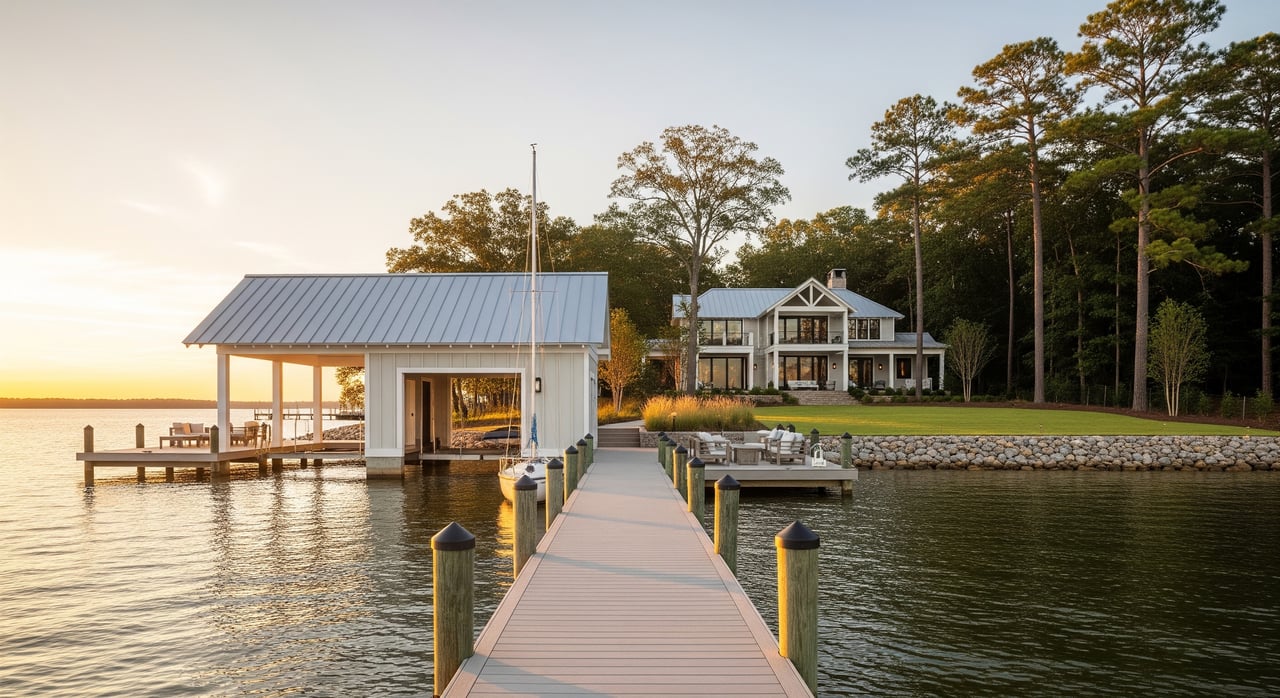
Most dock, pier, or lift projects require HOA architectural review and government permits. Expect to coordinate with Lexington County, state environmental regulators, and possibly the U.S. Army Corps of Engineers. The lake’s owner or operator may also require shoreline approvals. Many associations will not issue final approval until you show the required permits.
Design and placement
Communities often set dock size limits, materials, roof types, and placement relative to lot lines. Some lots can have private docks, while others rely on shared marinas or deeded slips. You may see rules about setbacks, central placement, or slip assignment and guest mooring.
Maintenance and insurance
Covenants usually spell out who maintains and insures docks, lifts, and bulkheads. If a dock is on common area or an easement, the HOA may assign owner maintenance responsibilities and require liability coverage or indemnification. Ask to see these clauses and confirm any line items in the HOA budget for marina or seawall upkeep.
Shoreline work and erosion control
Many HOAs restrict dredging, fill, or seawall construction without plans and permits. You may need professional drawings for bulkheads, riprap, or retaining walls. Associations can also set rules to protect views or native vegetation buffers. Always verify ARC approval and permits before altering the shoreline.
Buoys, no-wake areas, and watercraft
Neighborhoods may regulate private buoys, speed around docks, and noise from commercial activities. Enforcement can involve coordination with local law enforcement or lake management. If your cove has special rules, ask who maintains markers and how violations are handled.
Boat, trailer, and parking rules
Expect guidelines on where you may keep boats, trailers, and RVs. Many communities limit street parking, set time windows for guest vehicles, and require storage in garages or screened areas. Towing and fines may apply for repeated violations, so check for designated storage lots or off-site options.
Short-term rentals near Lake Murray
HOAs take a range of approaches to short-term rentals. Some ban them outright. Others allow them with registration, minimum stays, local contact requirements, parking limits, and guest conduct rules. Separate from your HOA, local governments can require licensing or tax collection. If rental income matters to you, get written confirmation of both HOA and county requirements.
Exterior changes and ARC approvals
Most exterior projects need written ARC approval. Applications often request plans, materials, colors, and contractor details. You may see timelines for review, construction hours, and deposits to cover common-area damage. Typical guidelines cover roofing, paint colors, fencing, accessory buildings, lighting, native landscaping, and screening for equipment.
Access, slips, and easements
Some lots include deeded riparian rights. Others rely on shared access through common areas, community docks, or ramps. Review your deed, plat, and CC&Rs for lake access and easements. Utility, drainage, and conservation easements can limit where you place docks, walls, or driveways.
Enforcement, budgets, and assessments
HOAs use formal notices, cure windows, fines, and in some cases liens to address violations. Review the association’s budget and reserves to gauge funding for docks, marinas, ramps, and bulkheads. Ask if special assessments are planned for major shoreline or amenity projects. Also check how rules are changed, including amendment thresholds and board authority.
Before you start a project
- Review your recorded CC&Rs, plats, ARC rules, and any amendment history.
- Submit a complete ARC application and wait for written approval.
- Contact Lexington County and state agencies early to confirm permit triggers.
- Confirm any lake owner or operator requirements for shoreline work.
- Verify contractor insurance and add any required liability coverage.
- Keep written records of approvals, permits, inspections, and final sign-offs.
Work with a local guide
The right plan helps you enjoy lake life without costly surprises. If you are buying, we will help you request the right documents, confirm access and dock rights, and understand any rental or parking limits. If you already own, we will connect you with local permitting offices and trusted pros so your project moves smoothly from idea to approval.
Have questions about a specific property or community in 29036? Connect with Brian Slinkard at Serhant to talk through your plans and next steps.
FAQs
What documents should I review before buying in a Lake Murray HOA?
- Ask for CC&Rs, bylaws, rules, ARC guidelines and forms, recent board minutes, the current budget and reserve study, and a resale certificate or estoppel letter.
Can I add a private dock on a Lake Murray lot in 29036?
- It depends on your deeded rights, HOA rules, and permits from county, state, federal, and lake authorities; confirm all three before you plan or build.
Are short-term rentals allowed in Lake Murray neighborhoods?
- Policies vary by community; some ban STRs while others allow them with registration, minimum stays, guest rules, and compliance with local licensing and taxes.
Who maintains seawalls, docks, and ramps in 29036 communities?
- Maintenance is defined in the CC&Rs and budgets; some items are owner-maintained while others fall under HOA responsibility with reserves or assessments.
What parking and storage rules are common near the lake?
- Many HOAs limit street parking and require boats, trailers, and RVs to be in garages, screened yards, or designated storage areas, with fines for violations.
How do HOAs enforce rules around Lake Murray?
- Common tools include notices, cure periods, fines, suspension of amenities, liens for unpaid assessments, and in extreme cases foreclosure as allowed by documents.
Which agencies approve shoreline work at Lake Murray?
- Expect to work with Lexington County permitting, South Carolina DHEC, the U.S. Army Corps of Engineers, and the lake’s owner or operator for shoreline approvals.