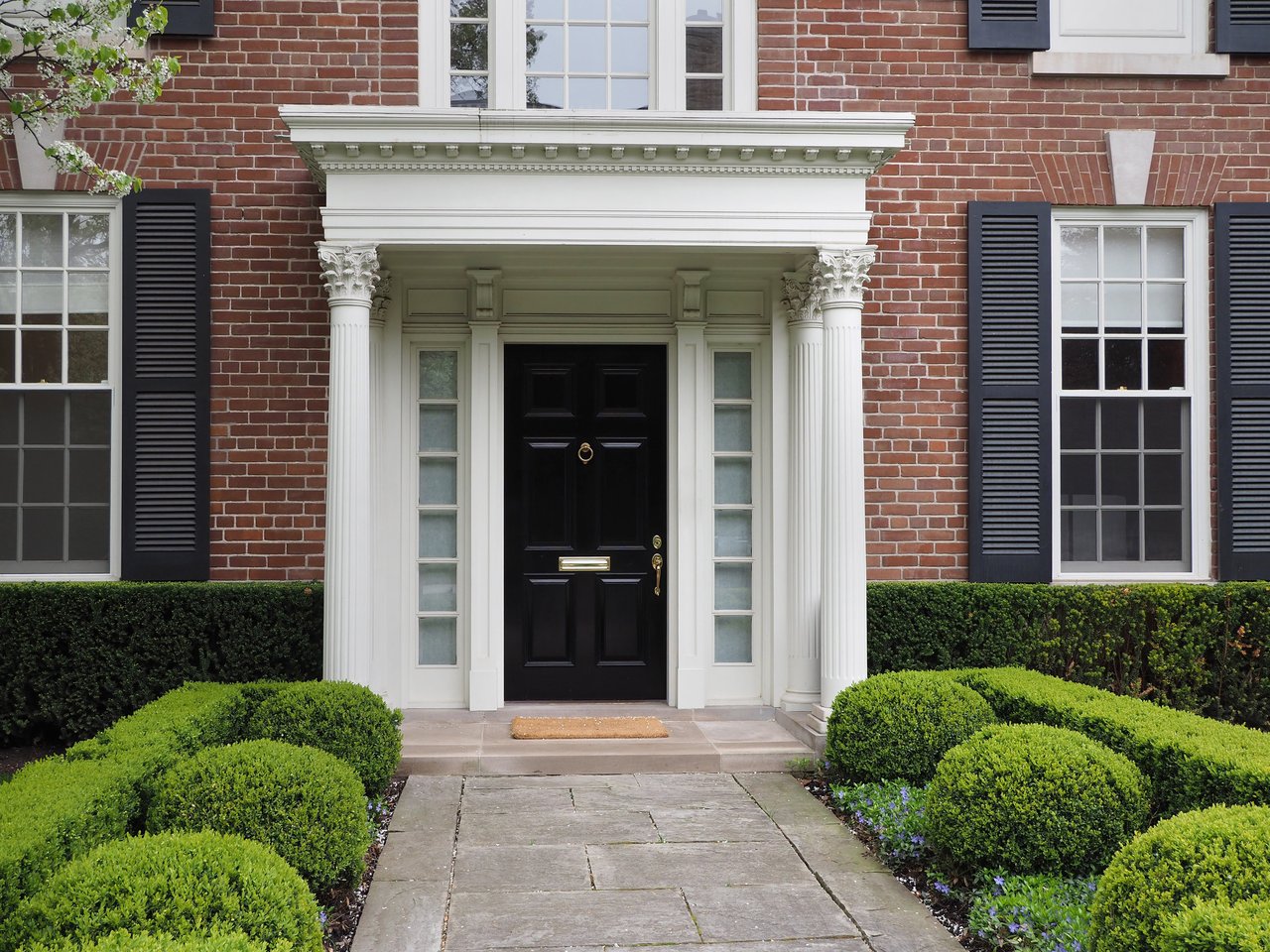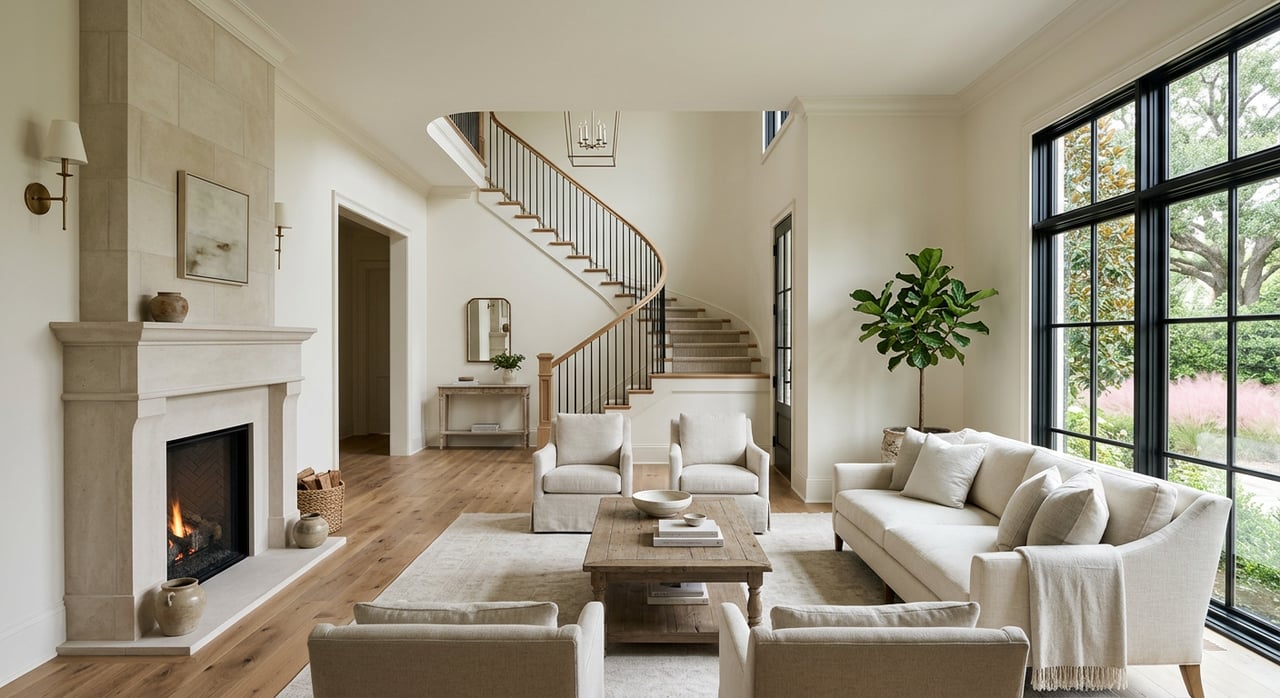
You get one chance to make a premium first impression online. If you are planning to list a luxury or lake‑lifestyle home in Lexington, your photos, video, and 3D tour will do most of the talking before a buyer ever sets foot inside. With a clear plan, you can showcase scale, light, and lifestyle in a way that commands attention and supports top‑tier offers. This guide shows you exactly how to prep, what media to include, when to schedule shoots in our climate, and how to vet your agent’s marketing plan. Let’s dive in.
What luxury buyers expect in Lexington
High‑end buyers expect clarity, light, and a lifestyle story. In Lexington’s humid‑subtropical climate, you get long, bright days and lush seasons that can make your home shine on camera. Local climate normals point to warm, wet summers and mild winters, which affect curb appeal timing and your exterior shoot plan. Reviewing Lexington County climate context helps you pick the right week for landscaping refresh and a golden‑hour exterior session. You can explore local climate patterns through the South Carolina State Climatology Office for planning context (Lexington County climate summary).
Lexington sits near USDA Hardiness Zone 8b. That means many shrubs and turf varieties look their best in spring and early fall when temperatures are moderate. If timing allows, schedule your exterior photography when lawns are green and blooms or fresh mulch provide contrast. You can confirm your planting zone to guide any last‑minute updates using a local reference for 29072 (Zone 8b planting reference).
Build your luxury media plan
Must‑have assets for premium reach
A complete luxury package blends stills, motion, and interactivity to tell a clear story:
- 30 or more high‑resolution photos that include wide, light‑balanced room views and a few editorial detail shots.
- A 90 to 150 second cinematic video that pairs lifestyle moments with a clean walkthrough. This is standard for premium listings and aligns with how top brokerages present exclusive properties (luxury marketing presentation examples).
- Drone photos and short aerial clips that show setting, water adjacency, lot lines, and approach.
- A 3D virtual tour and interactive floor plan so buyers can self‑tour and understand flow. Engagement data continues to show strong buyer interest in 3D and floor plans for confidence and speed to showing (Matterport tour statistics).
Best timing for photos, video, and drone
- Interior photos. Aim for even, diffuse natural light from mid‑morning to mid‑afternoon, adjusting for room orientation. This minimizes harsh shadows and creates a calm, high‑end feel.
- Exterior photos. Early morning or late afternoon delivers richer color and softer shadows. For drama, schedule a blue‑hour twilight session when interior lights glow against a deep sky. Pro photographers recommend starting 20 to 30 minutes before sunset and continuing into blue hour for that premium look (twilight timing guide).
- Drone work. Pick calm weather windows, usually early or late in the day for better light and less wind. Any commercial drone work must be performed by a pilot with an FAA Part 107 Remote Pilot Certificate and a compliant aircraft. Ask for proof of certification, registration, and insurance (FAA Part 107 overview).
Staging that sells at the high end
Why it matters
Staging makes it easier for buyers to imagine themselves in your home and can reduce time on market. The National Association of REALTORS® reports a median spend of about 1,500 dollars when hiring a staging service, with top focus on the living room, primary bedroom, and kitchen. These rooms should be prioritized for any luxury media plan because they anchor buyer perception and scale (NAR 2025 Profile of Home Staging).
Physical vs. virtual staging
Physical staging still delivers the strongest in‑person impact for premium listings. Virtual staging can be a cost‑effective complement for vacant rooms online. If you use virtual staging, label it clearly where required and keep originals on file. Many markets and MLSs require that any digitally altered images are disclosed, so confirm your agent’s compliance plan in writing (image disclosure guidance).
Room‑by‑room luxury prep checklist
Use this short checklist to get camera‑ready. If you only do three things, do these: deep clean, declutter, and light consistently.
Whole‑home foundations
- Deep clean all visible surfaces, windows, and floors. Remove pet hair and odors.
- Declutter and depersonalize. Clear counters, store personal photos and paperwork, and remove most magnets or notes from the fridge.
- Paint touch‑ups in neutral, camera‑friendly tones. Repair scuffs, chips, and caulk.
- Match lightbulbs by color temperature. Turn on all lights for photos and videos.
- Remove or rearrange excess furniture to create clear walk paths and balanced vignettes.
Living and family rooms
- Anchor furniture around a focal point like a fireplace or water view.
- Remove bulky recliners or duplicate side tables to open the floor.
- Add soft textiles and greenery for scale. Hide remotes, cords, and toys.
Kitchen and dining
- Clear counters except for one or two curated items. Remove drying racks and trash cans.
- Polish appliances and sinks. Align stools and chairs evenly.
- Set a simple, modern place setting or a low floral centerpiece for the dining table.
Primary suite and bedrooms
- Use crisp white or neutral bedding with layered pillows to read as calm and upscale.
- Clear nightstands and dressers. Hide hampers, fans, and personal items.
- Stage a reading chair or bench if space allows to show scale and lifestyle.
Bathrooms
- Remove toiletries. Display fresh white towels and a simple soap or plant.
- Clean mirrors and glass until spotless. Close toilet lids.
Outdoor spaces
- Mow, edge, and mulch beds for sharp lines. Add seasonal planters suited to Zone 8b.
- Power wash walkways where needed. Coil hoses and store tools.
- Stage the patio with clean cushions and a simple tray or lantern. If you have lake access, ensure dock and shoreline are tidy and safe for filming.
Day‑of pre‑shoot checklist
- Remove cars from the driveway and visible street parking. Store trash bins and hoses.
- Make beds and hide pet beds, crates, litter boxes, and toys.
- Put away medications, personal hygiene items, and loose cords.
- Set the thermostat to a comfortable level and quiet noisy HVAC during video.
- Turn on all interior and exterior lights 15 to 45 minutes before a twilight session so windows glow on camera (twilight prep tips).
- Provide a parking spot and a small staging area for the media team’s gear. Keep pets off‑site if possible.
Budgets and ROI to expect
Every market is different, but these national ranges can help you plan. Always verify local quotes.
- Professional photography, single session, 25 to 40 photos. Often 200 to 700 dollars depending on size and scope.
- Drone photos and aerial clips. Commonly 150 to 500 dollars as an add‑on. Larger productions may be higher (cinematic video and add‑on cost overview).
- Cinematic listing video, 90 to 150 seconds. Entry packages may start a few hundred dollars. High‑production shoots for luxury estates can run 2,000 dollars or more depending on crew and edits (cinematic video and add‑on cost overview).
- 3D virtual tour and interactive floor plan. Often 150 to 450 dollars depending on size and provider licensing (Matterport tour statistics).
- Staging. NAR’s median staging spend was about 1,500 dollars in 2025 for hired staging services. Full vacant or high‑end staging for large homes can run several thousand dollars. Confirm scope, rental months, and delivery fees (NAR 2025 Profile of Home Staging).
Industry surveys show staging often reduces days on market and can support modest offer uplifts in many cases. Present staging and media as investments tied to your list price and carrying costs, not as sunk expenses. High‑quality visuals and floor plans also tend to raise online engagement and showing requests, which is critical when appealing to out‑of‑area buyers who rely on digital tours (NAR 2025 Profile of Home Staging; Matterport tour statistics).
Timeline: eight weeks to live
Use this simple plan to stay ahead and avoid rush decisions.
- Weeks 6 to 8. Choose your agent and complete a strategy walk‑through with the media vendor to scope staging, repairs, and your story. Confirm who will coordinate vendors.
- Weeks 4 to 6. Finish repairs, paint touch‑ups, and deep cleanings. Book or install staging. Refresh landscaping and irrigation. For pruning and plant timing, use Clemson’s HGIC guidance as a starting point (Clemson HGIC pruning guide).
- Weeks 2 to 3. Finalize staging and styling. Lock in photo, video, drone, and 3D capture windows, including golden hour and twilight slots. Order any premium brochures if you plan to use them.
- Week 0 to 1. Shoot day. Photos often deliver within 24 to 96 hours. Edited video can take several days to two weeks depending on complexity.
- Launch week. Syndicate to the MLS and major portals, activate paid social and email to buyer agents, and track analytics. Your agent should brief you weekly on traffic and feedback.
Questions to ask before you list
Bring this list to your agent interview so you can compare plans apples to apples.
- Can you show recent photo, video, drone, and 3D portfolios for homes like mine in Lexington and around Lake Murray? Ask for direct links or MLS examples.
- What exactly is included in your media package and when will I get it? Confirm number of photos, video length, 3D link, floor plan, single‑property website, social media assets, and printed pieces.
- Who coordinates staging and who pays? Request an itemized marketing budget that includes photography, video, drone, staging, and any premium listing features. NAR’s median staging spend is a helpful benchmark (NAR 2025 Profile of Home Staging).
- Who owns the photos and video and what license do I receive? Ask for it in writing, including any option to purchase extended rights after closing.
- Will you disclose virtual staging or digital edits in the MLS where required, and keep originals available? Confirm compliance steps (image disclosure guidance).
- If using drone, can I see your pilot’s FAA Part 107 certificate and insurance? Ask about Remote ID compliance and any local airspace restrictions (FAA Part 107 overview).
Partner with a Lexington team
You deserve boutique attention and big‑stage exposure. Our team pairs deep local knowledge in Lexington and around Lake Murray with the creative production and distribution power of a national luxury brokerage. We coordinate the details, from staging and timelines to cinematic media and analytics, so your listing launches polished and performs with confidence.
Ready to position your home for a premium result? Connect with Brian Slinkard at Serhant to get your tailored valuation and a step‑by‑step luxury marketing plan.
FAQs
When is the best season in Lexington for exterior photos?
- Spring and early fall typically photograph best because lawns and shrubs look vibrant in Zone 8b, and temperatures are moderate. Plan landscaping refresh and golden‑hour sessions accordingly, using local climate context to time the shoot (Lexington climate summary; Zone 8b planting reference).
How long will a professional photo and video shoot take?
- Many homes require 1 to 3 hours for still photos, plus added time for drone and 3D scanning. A cinematic video can add a half‑day or more depending on complexity and number of scenes.
Who usually pays for staging, and how much does it cost?
- It is negotiated. Many sellers pay directly, while some agents contribute or front costs case by case. NAR reports a median spend of about 1,500 dollars when a staging service is hired, with scope and rental months affecting the total (NAR 2025 Profile of Home Staging).
Are drones legal for listing videos in South Carolina?
- Yes, with rules. Any commercial drone operation must be conducted by a pilot holding an FAA Part 107 certificate. Remote ID, registration, and any needed airspace authorizations apply. Always ask your vendor for documentation (FAA Part 107 overview).
Will virtual staging mislead buyers?
- It should not when used properly. If you use virtual staging, label images clearly where required and retain originals. Use it to complement, not replace, accurate representation of the property (image disclosure guidance).
What media should every Lexington luxury listing include?
- At a minimum, plan for high‑resolution photos, a cinematic video, drone visuals if appropriate, and a 3D tour with a floor plan. This integrated bundle supports premium reach and buyer confidence, especially for out‑of‑area buyers (luxury marketing presentation examples; Matterport tour statistics).